
Categories
Who we serve
Resources
- Home
- Categories
- Electrified hardware
Electric strikes, maglocks and electrified hardware
Electric strikes, magnetic locks, electromechanical locks, electrified hinges, power supplies and standalone keypad locks. No app, wifi or networked smart locks.
-
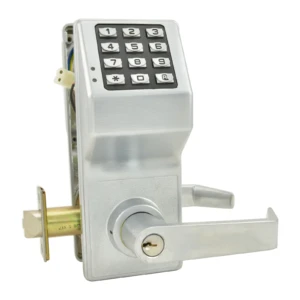
Alarm Lock Trilogy DL2700 Keypad Lock
Price range: $604.11 through $999.59See part numbers This product has multiple variants. The options may be chosen on the product page -
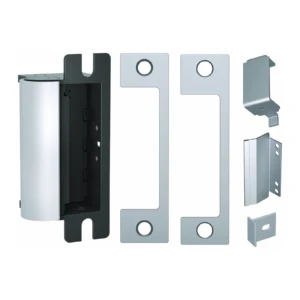
HES 1006 Series Electric Strike
Price range: $571.86 through $580.83See part numbers This product has multiple variants. The options may be chosen on the product page -
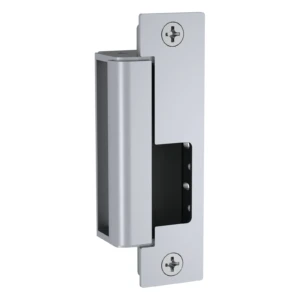
HES 1500 Series Electric Strike
$436.62See part numbers This product has multiple variants. The options may be chosen on the product page -
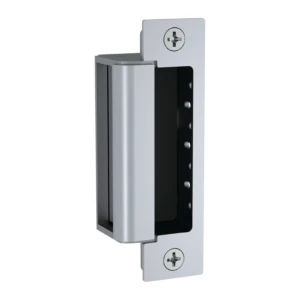
HES 1600 Series Electric Strike
Price range: $492.18 through $583.30See part numbers This product has multiple variants. The options may be chosen on the product page -
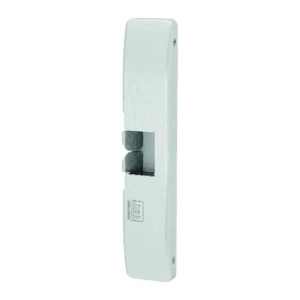
HES 9600 Series Electric Strike
Priced on request -
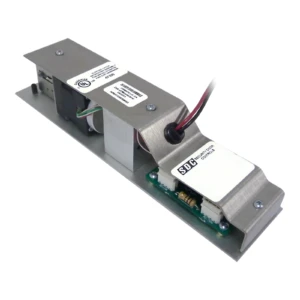
SDC QuietDuo LR100 Electric Latch Retraction Kit
Priced on request -
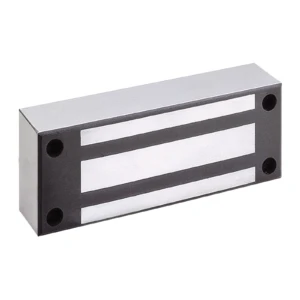
Securitron M62 Magnalock
Price range: $447.00 through $533.33See part numbers This product has multiple variants. The options may be chosen on the product page
Electrified hardware for existing openings
Electrified door hardware locks and releases a door with electric power: an electric strike releases the latch at the frame, and a magnetic lock holds the door shut with an electromagnet.
Electric strikes, magnetic locks, electrified locks and the hinges and power supplies that run them, for doors released by a keypad, a push button or an access control system you already have.
We supply the hardware at the door. We do not sell networked access control systems, card readers, intercoms or app, wifi or Bluetooth smart locks.
How it is specified
- Fail safe or fail secure. Fail safe releases when power is removed; fail secure stays locked from outside.
- Electric strikes. An electric strike replaces the strike in the frame and releases the latch, at 12 or 24 VDC to match the supply.
- Magnetic locks. Holds with an electromagnet and no latch, so it always needs a release for people leaving.
- Standalone keypad locks. A standalone keypad or touchscreen lock stores its codes in the lock and runs on batteries, with no wiring and no network.
- Power and wiring. Strikes, magnetic locks and electromechanical locks need a power supply sized to the load, and an electrified hinge or power transfer to carry the wire into the door.
Fail safe vs fail secure: electric strikes and maglocks
Electric latches and electric latch retraction
Electric latch retraction, which buyers also call an electric latch or electronic latch, pulls the latch back by power: a motor or solenoid in the exit device retracts it on a signal from an access control system, a keypad or a door operator, and the door then opens push and pull. Sargent's 80 Series catalog describes its 56- option this way.
An electric strike works at the frame instead. The latch stays mechanical and the strike's keeper releases it, so the device in the door needs no power. Latch retraction needs power carried into the door, which Sargent does through an electric hinge.
If the latch can stay mechanical, a strike is the alternative: the HES 9600 surface strike takes the 3/4 in Pullman latch of a rim device such as the Accentra 2100 exit device, and HES electric strikes for cylindrical and mortise locks have their own page. HES lists the 9600 as not fire rated, and whether a strike may go on a fire-rated door is your AHJ's call.
To add latch retraction to an exit device already on the door, SDC's LR100 QuietDuo retrofit kits fit the Adams Rite, Arrow, Cal-Royal, Detex, Jackson, PHI (Precision) and Yale devices SDC lists for each kit, and run on 24 V DC. SDC lists no LR100 kit for the Accentra 2100.
Other retrofit kits and exit devices with latch retraction are quoted on request: send the make and model of the exit device.
What usually fails
A strike that buzzes but does not release is often a latch bearing against the keeper, a door that has dropped, or a power supply that sags under load. A magnetic lock that will not hold is usually a misaligned armature plate. A keypad lock that goes dead is batteries first.
Photograph the strike or lock, the frame, and any label on the power supply, and tell us the voltage if it is marked.
We supply listed hardware and confirm in writing the part number and options you have chosen. We are not code consultants; your Authority Having Jurisdiction (AHJ) makes the final call.
Questions about electrified hardware
Why do most parts here have no price?
Most of this category is configured and special order: the part number only exists once the options are set. Some parts we list show a price on their own page; everything else is quoted with the part number, grade, finish, price and lead time, within one business day.
Fail safe or fail secure: which do I need?
Fail safe releases when power is removed, fail secure stays locked from outside. The choice follows how the door has to behave in an alarm or a power cut, and it changes the part number. We supply listed hardware and confirm in writing the part number and options you have chosen. We are not code consultants; your Authority Having Jurisdiction (AHJ) makes the final call.
Do you sell smart locks or access control systems?
No. We supply the electrified hardware at the door and standalone keypad locks that need no network. We do not sell app, wifi or Bluetooth smart locks, card readers, controllers or intercoms.
Everything else on the opening
 Exit devicesPanic bars: rim, vertical rod and mortise, fire rated and alarmed
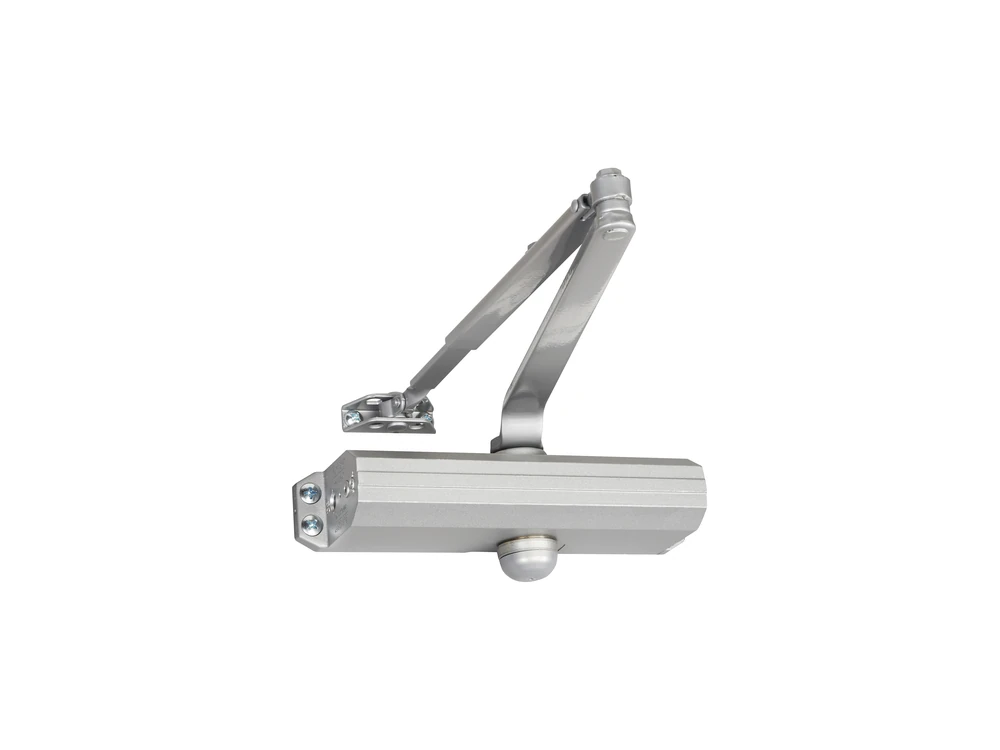 Door closersSurface and floor closers, arms and tracks
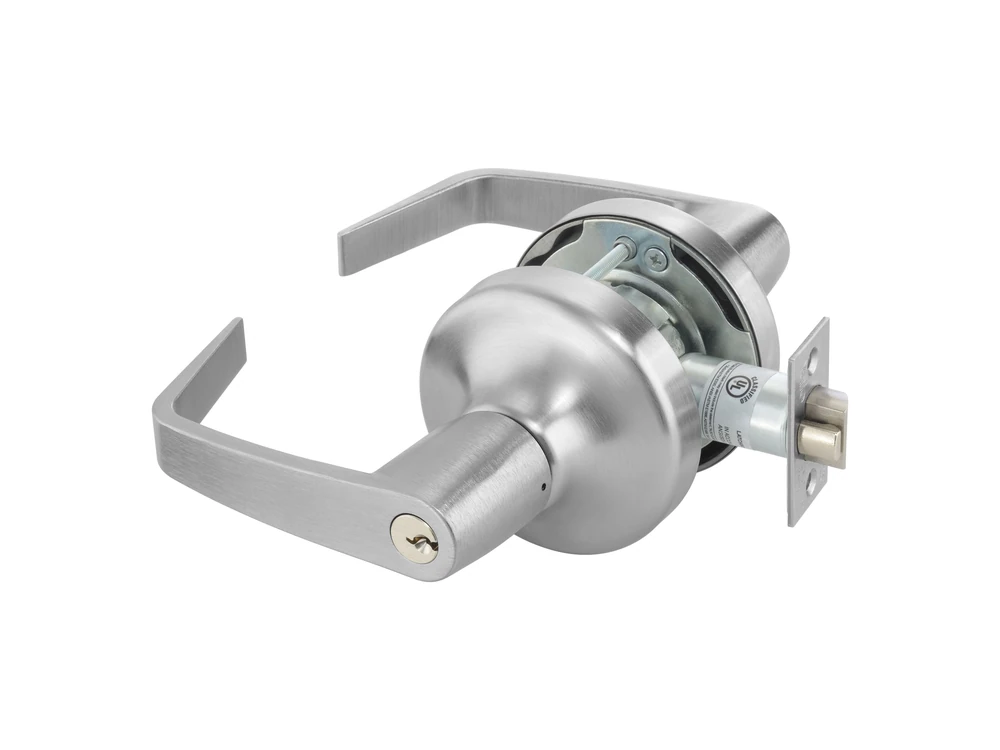 Cylindrical locksLever locks by ANSI function, deadbolts, keyless
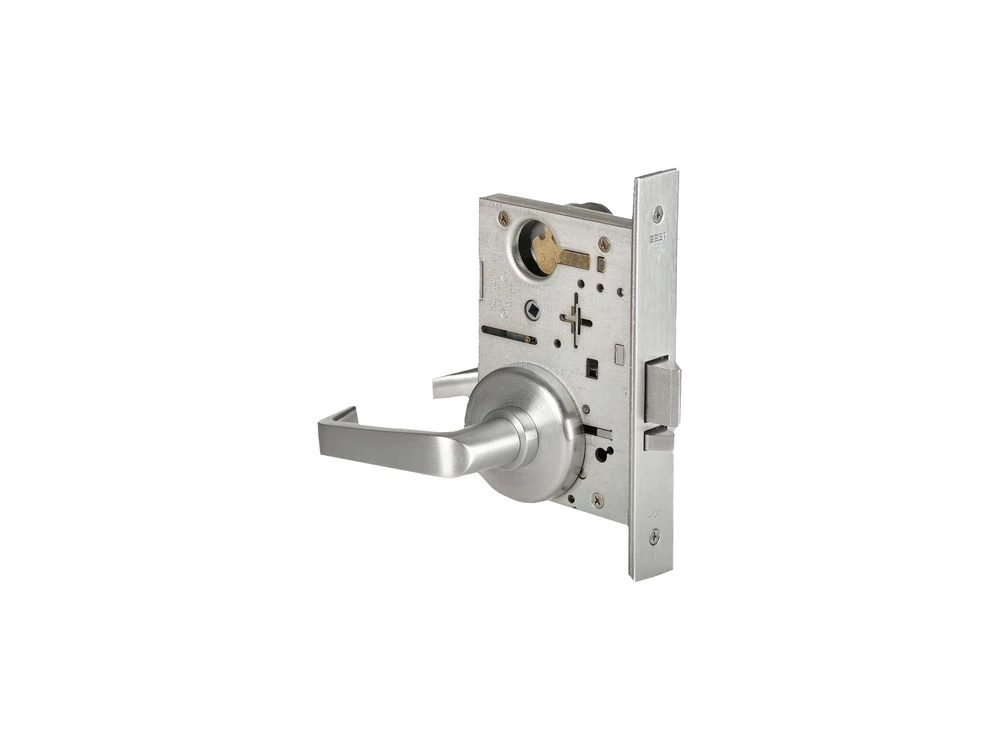 Mortise locksMortise locks, bodies, trim and cylinders
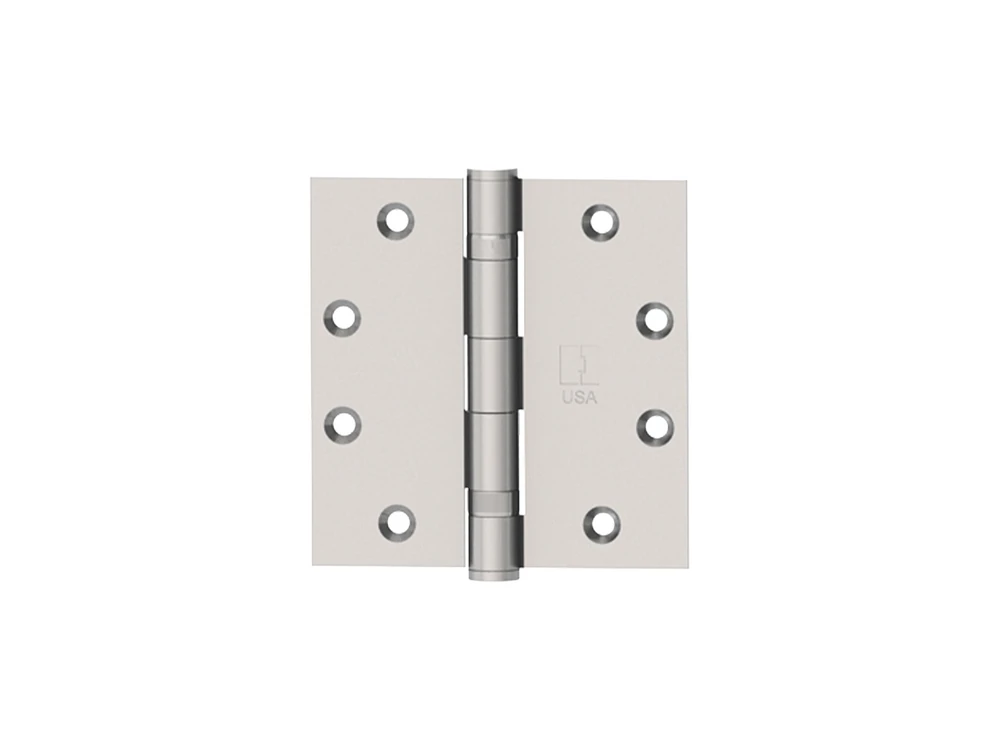 Hinges and pivotsBall bearing, continuous geared and pivot sets
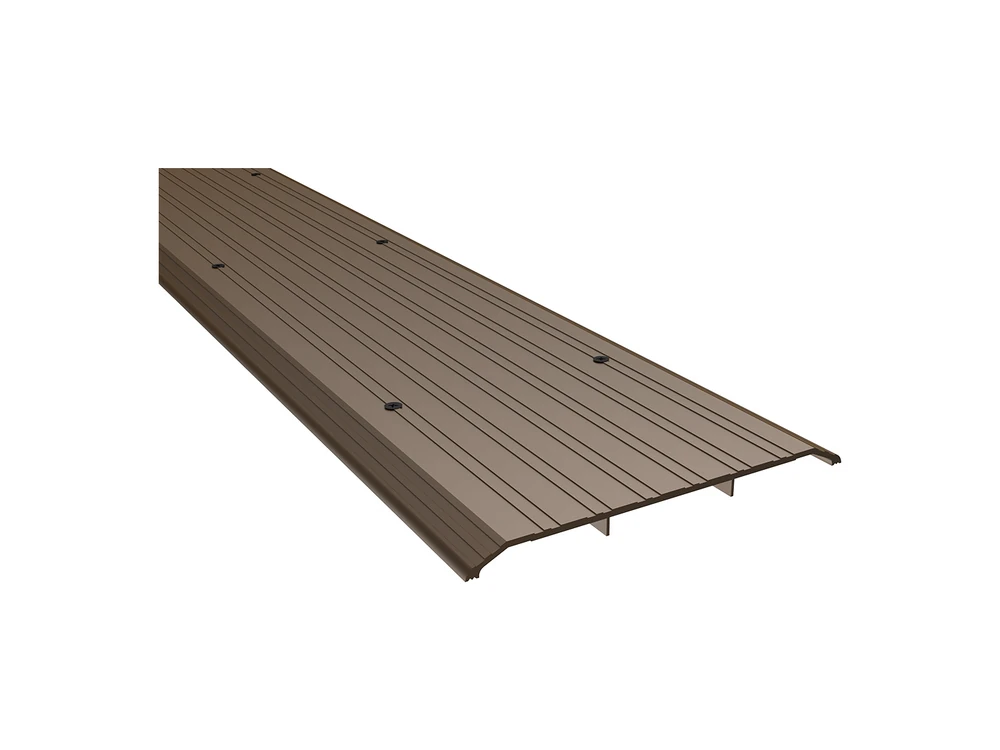 Thresholds and sealsThresholds, gasketing, door bottoms, sweeps, astragals
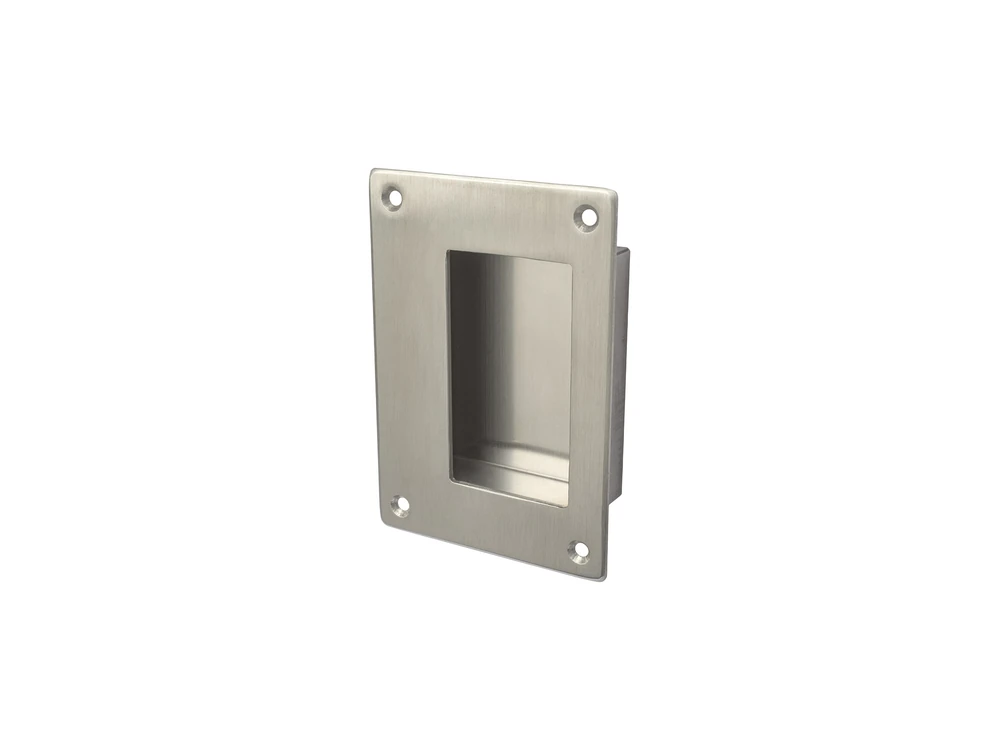 Door accessoriesDoor pulls, push and kick plates, flush boltsAll categoriesEvery category and type on one page